
Introduction
A grey board enquiry often begins with one line: “Please quote 1,200 GSM grey board for rigid boxes.” That sounds specific, but it still leaves several production questions unanswered. What thickness is required? What density and stiffness are acceptable? Will the board be wrapped, laminated or die-cut? How large are the finished panels? How will moisture and flatness be controlled before export?
The short answer is that rigid-box grey board should be specified by application, thickness, grammage and converting performance together. GSM measures mass per square metre. Thickness, usually stated in millimetres or micrometres, describes the distance between the two board surfaces under a defined measuring load. They are related through apparent density, but they are not interchangeable. Two boards with the same GSM can have different thickness, compactness and bending behaviour.
That distinction matters to procurement teams. A dense board may feel firm at a lower caliper; a bulkier board may be thicker at the same basis weight but respond differently during grooving, corner forming and wrapping. The best specification is therefore not “the highest GSM available.” It is the grade that supports the finished box, runs consistently on the converter’s equipment and arrives flat enough to use.
International standards provide a common measurement language. ISO 536:2019 specifies a method for determining paper and board grammage. ISO 534:2011 covers thickness and calculations for apparent density and specific volume. Buyers should still confirm the exact test method and tolerances used on the supplier’s mill data sheet.
Quick answer: what should a grey board RFQ include?
At minimum, send the supplier:
- Finished application and box style.
- Board thickness in millimetres, with an agreed tolerance.
- Target GSM or density range, if already validated.
- Sheet size and grain direction.
- Required flatness, moisture and surface condition.
- Wrapping, grooving, die-cutting or lamination process.
- Quantity, packing method and destination port.
- Sample, test-report and compliance requirements.
If the structure has not been tested, share the finished box dimensions, packed product weight, insert type and transport route. A useful supplier should help narrow the starting specification rather than pretending that one thickness suits every rigid box.
What is grey board, and where is it used?
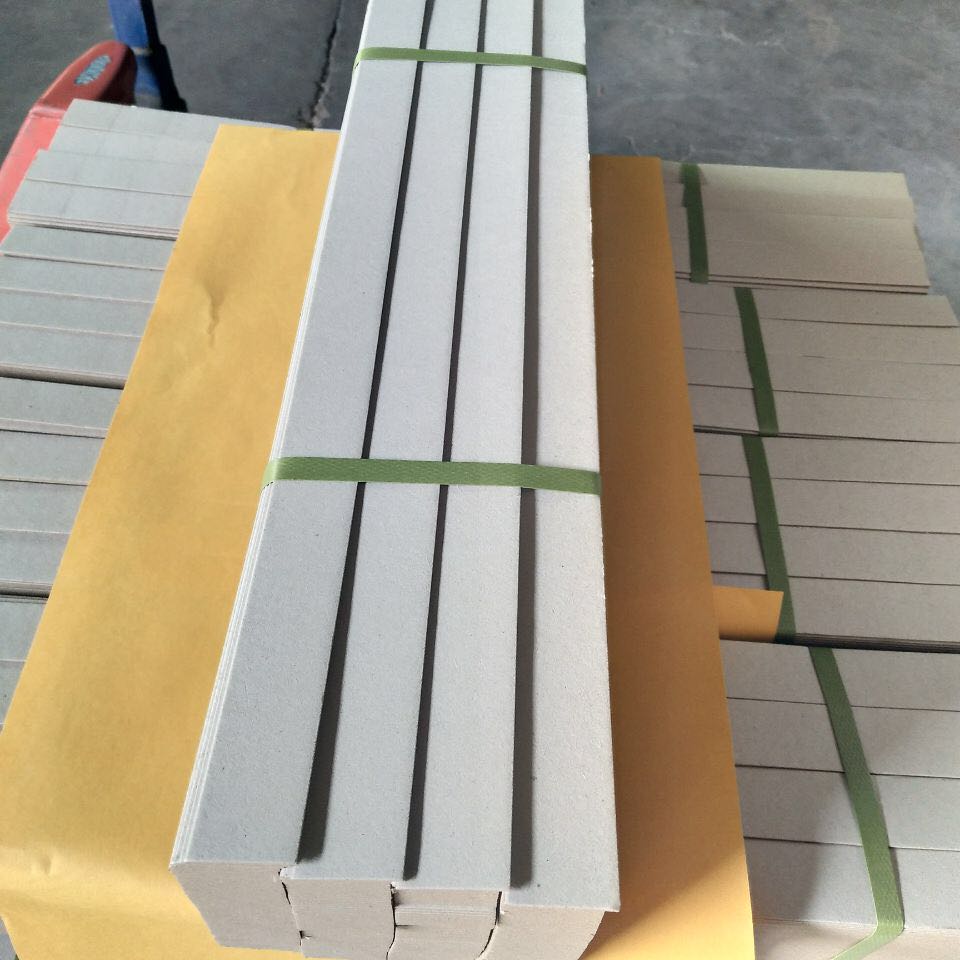
Grey board—also called greyboard, chipboard or rigid box board in different markets—is a dense paperboard commonly used as the hidden structural core of setup boxes. It is normally wrapped with printed art paper, kraft paper, specialty paper or another decorative layer rather than used as the final visible print surface.
Typical applications include:
- lift-off-lid gift boxes;
- magnetic-closure boxes;
- drawer and sleeve boxes;
- book-style presentation boxes;
- game boards, binders and hard covers;
- dividers, backing boards and laminated packaging components.
Grey board is not the same as folding box board or corrugated board. FBB and SBS are engineered for printed folding cartons that crease and fold from a thinner sheet. Corrugated board contains fluted medium and is designed around cushioning and stacking performance. Grey board is selected when the package needs a solid, permanent form and is usually converted by cutting, grooving, wrapping and assembly.
GSM versus thickness: why the numbers cannot be used alone
GSM describes mass, not structural behaviour
GSM is grams per square metre. It is valuable for checking material consistency, estimating shipment mass and comparing grades produced to the same construction. It does not directly tell a buyer how thick or stiff a sheet will be.
For example, two nominal 1,200 GSM boards may differ in caliper because of fibre composition, compression and manufacturing conditions. Conversely, two nominal 2.0 mm boards may have different grammage and apparent density. The denser board may feel harder and machine differently; the bulkier board may show a different edge and groove response.
Avoid using a universal GSM-to-millimetre conversion chart as a purchase specification. Such tables can be useful for early budgeting, but the purchase order should refer to the actual grade data and approved sample.
Thickness must be measured consistently
Caliper depends on the test method and pressure applied by the measuring instrument. This is why a recognised method matters. State whether the tolerance applies to single-sheet thickness and ask the supplier to identify the method used. When comparing offers, compare values measured on the same basis.
Apparent density explains part of the difference
Apparent sheet density links mass and volume. In practical sourcing terms, it helps explain why equal-GSM boards can feel different. However, density alone is not a finished-box performance guarantee. Panel span, groove geometry, adhesive, wrap tension and storage humidity can all change the result.
How to choose a starting thickness for a rigid box
There is no responsible universal chart that can replace sampling. A small jewellery box and a large electronics presentation box place very different loads on their panels even if both are described as premium packaging.
Use these decision factors:
1. Box dimensions and unsupported panel span
Large lids and long side panels are more likely to bow. Increasing thickness may help, but a better structure, internal support or higher-density grade can sometimes solve the problem with less material. Give the supplier internal and external dimensions and identify panels that must stay particularly flat.
2. Product weight and load distribution
A concentrated load from a bottle, device or metal component is different from an evenly distributed textile product. Explain how the insert supports the product and whether the box will be carried, stacked or displayed upright.
3. Box construction
A two-piece setup box, hinged magnetic box and drawer box do not stress the board in the same way. Grooves, hinges, magnets and wrapped corners can create local weaknesses. The converter should review board thickness together with groove depth and wrapping allowance.
4. Target hand feel and edge appearance
Premium packaging often needs perceived solidity, but over-specifying thickness adds shipment weight and can make tight corners difficult to form. The objective is controlled rigidity and clean construction—not simply maximum mass.
5. Converting equipment
Confirm maximum sheet size, cutting method, groove width, minimum bend radius and feeding limitations. If sheets will be laminated before conversion, test the full construction rather than the bare core only.
Specifications that matter beyond GSM and thickness
Flatness and warp
Board that meets GSM and caliper targets can still cause production loss if it arrives curled or twisted. Flatness should be assessed after the material has equilibrated in the converting environment. Ask how the board will be wrapped against moisture during export and how pallets will be supported.
Moisture and conditioning
Paperboard exchanges moisture with the surrounding air. Sudden changes between a humid production location, an air-conditioned converting room and a dry destination can influence dimensions and flatness. Keep export wrapping intact until the material has had time to acclimatise, following the mill or converter’s guidance.
Grain direction
Grain direction affects bending and dimensional movement. It should be marked on the packing list or pallet label and agreed for the intended panel layout. Incorrect grain planning can increase curl, crack risk or variability in wrapping.
Surface cleanliness and bonding
Although the grey board is normally hidden, dust, loose fibres, oil and uneven surfaces can affect lamination and wrapping. Trial the actual adhesive and wrap paper. A clean bond should be checked across the full panel, edges and corners after conditioning.
Shade and recycled-fibre variation
Natural grey colour may vary between production lots. If the edge is visible or a light wrap could show through, define the acceptable appearance or consider a lined/white-faced construction. Do not assume a cosmetic tolerance unless it has been agreed.
Planning a paper or board order?
Send us your application, format and target specification.
Send your requirementsA practical sample and factory-testing plan
An experienced procurement process separates material approval from mass-production inspection.
Stage 1: data-sheet review
Check grade name, fibre construction, grammage, caliper, tolerances, sheet dimensions, grain direction, moisture guidance and certifications. Values described as “typical” are not automatically guaranteed limits; ask which properties appear on the certificate of analysis.
Stage 2: representative material samples
Request samples from the proposed production grade, not an unrelated showroom piece. Measure thickness at multiple positions, check sheet dimensions and inspect flatness, edges and surface cleanliness.
Stage 3: converting trial
Cut, groove, wrap and assemble the actual box. Use the intended adhesive, decorative paper, insert and magnets. Observe corner sharpness, delamination, panel bow, hinge response and visual telegraphing through the wrap.
Stage 4: packed-product evaluation
Place the real product and insert in the box. Review opening feel, panel deflection and any concentrated load. If the pack will travel through parcel distribution or pallet transport, agree on appropriate finished-pack testing with the packaging engineer. Do not infer transport performance from board GSM alone.
Stage 5: pre-shipment inspection
A shipment inspection can verify purchase-order identity, pallet count, labels, packaging condition and selected physical measurements. Sampling should follow the buyer’s agreed inspection plan. Photograph pallet protection, corner boards, stretch wrapping and moisture barriers before container loading.
How sheet size and pallet design affect landed cost
Board yield is often as important as the price per tonne. Ask the converter for the nesting layout before fixing sheet size. A slightly different sheet dimension can reduce trim waste if it matches the cutting plan.
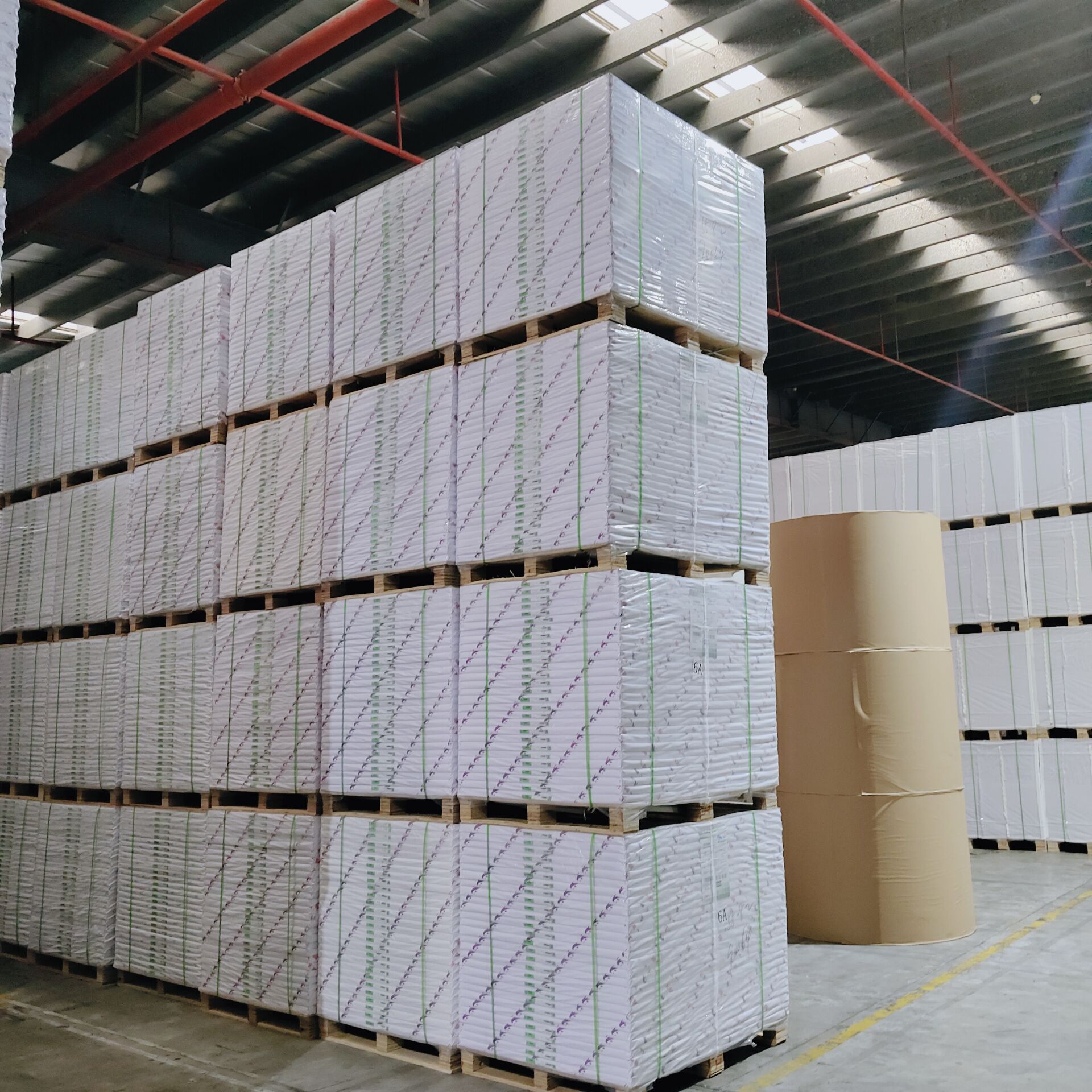
At the same time, very large sheets may be difficult to handle or exceed equipment limits. Pallet dimensions, gross weight, forklift access and container utilisation should be evaluated together. The cheapest ex-mill sheet is not necessarily the lowest-cost converted component.
For export orders, specify:
- sheet size and squareness tolerance;
- sheets per pack and packs per pallet;
- pallet material and maximum pallet height;
- edge and corner protection;
- moisture-resistant outer wrapping;
- pallet labels, lot traceability and grain-direction marks;
- fumigation or wood-packaging requirements where applicable.
Grey board RFQ template
Copy and adapt this structure:
Application: book-style rigid gift box
Finished box size: ___ × ___ × ___ mm
Packed product and weight: ___
Board: grey board / lined grey board
Target thickness and tolerance: ___ mm
Target grammage or approved grade: ___ GSM / reference ___
Sheet size and grain direction: ___
Conversion: cutting + grooving + wrap lamination
Wrap paper and adhesive: ___
Quantity: ___ sheets / tonnes
Packing: palletised, export moisture protection
Destination: ___
Documents/tests required: ___
Sample requirement: A4 material sample / full sheet / converted prototype
This format lets suppliers quote comparable material and identify risks before production.
Common sourcing mistakes to avoid
- Ordering by GSM alone. Mass does not define caliper, density or finished-box performance.
- Approving a hand sample without converting it. Grooving and wrapping can expose problems that are invisible in a flat sheet.
- Ignoring grain direction. Panel layout and moisture movement can affect flatness.
- Treating typical values as guaranteed tolerances. Put critical limits in the purchase specification.
- Skipping export-packing details. A conforming board can arrive unusable if pallets or moisture protection fail.
- Changing adhesive or wrap paper after approval. The board is only one part of the finished construction.
- Assuming thicker is always better. Excess thickness can add weight, cost and corner-forming difficulty.
FAQ
Is GSM the same as grey board thickness?
No. GSM is mass per square metre, while thickness is measured under a defined load. They are related through apparent density, but there is no universal one-to-one conversion for all grey board grades.
What grey board thickness is best for rigid boxes?
The correct thickness depends on box dimensions, panel span, product weight, structure, insert and desired hand feel. Use a supplier recommendation only as a starting point and validate it with the actual converted prototype.
Can grey board be printed directly?
It is usually used as a structural core and wrapped with a printable or decorative paper. Direct printing may be possible for some lined grades, but the print process and surface requirements must be confirmed for the specific product.
What is the difference between grey board and folding box board?
Grey board is commonly a thick structural core for rigid, wrapped constructions. Folding box board is a thinner, printable cartonboard designed to crease and fold into cartons. They should not be treated as interchangeable.
Why does grey board warp?
Possible causes include uneven moisture, storage conditions, lamination imbalance, adhesive application, wrap tension and unsupported palletisation. Investigation should consider the complete converting and logistics process.
Should buyers specify recycled content or FSC certification?
Specify any fibre-source, recycled-content or chain-of-custody requirement at enquiry stage. Availability and claims depend on the exact grade and supply chain; request valid documentation rather than assuming that every grey board carries the same certification.
What should be checked before shipment?
Verify product identity, dimensions, thickness, grammage where required, flatness, quantity, pallet condition, labels, moisture protection and the agreed documents. Critical properties should follow a written sampling and acceptance plan.
Conclusion
A reliable grey board specification connects the material to the finished box. Thickness and GSM are important, but they work alongside density, flatness, grain direction, moisture control, converting conditions and export packing. The most efficient sourcing process is to share the application early, approve a representative converted sample and write critical tolerances into the purchase order.
CTA — Send Your Requirements: Share your rigid-box dimensions, target thickness, sheet size, quantity and destination with YoungSun. We can help organise a comparable grade proposal, sample plan and converting format for review before quotation.